
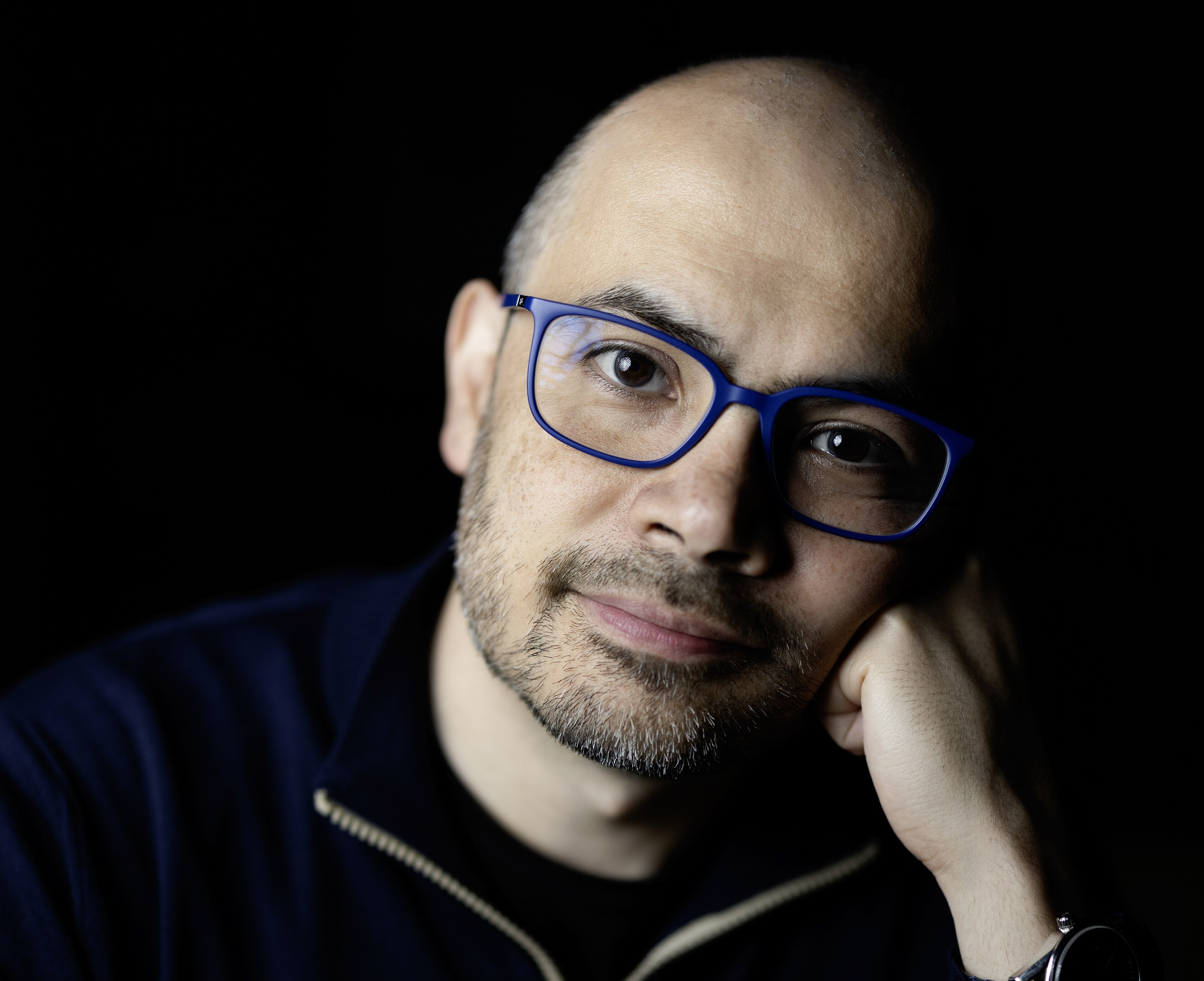
Photo of Sir Demis Hassabis in 2025 by Christopher Michel / Cmichel67, CC BY-SA 4.0, via Wikimedia Commons.
1. At a recent event at the Royal Society of Arts in London, Sir Demis Hassabis gave a talk on The AI Revolution, the Future of AI and Human Creativity and was then interviewed by Hannah Fry https://youtu.be/rDteJAuKiBI Lively, engaging stuff!
That same evening, Sir Demis received the RSA Albert Medal “for his extraordinary contribution to advancing artificial intelligence in service of humanity. Co-founder and Chair of Google DeepMind and Chief Scientist at Alphabet, Demis Hassabis is a leading figure in artificial intelligence and the development of AI for scientific discovery, including AlphaFold”.
2. Here’s a real treasure trove of a post from Daisy Christodoulou, Green and pleasant Substacks https://substack.nomoremarking.com/p/green-and-pleasant-substacks, comprising Daisy’s choice of no fewer than twenty-two Substacks that in her opinion are “keeping the education debate alive” in the UK.
Last week I was in New York speaking at Google’s AI for Learning conference. I realise I am getting repetitive on this subject, but lots of people abroad are really interested in what’s made England’s schools so successful over the last 20 years – and are, like me, really baffled that the current government are moving away from the policies that made it happen. […] And one aspect of England’s education reforms that was incredibly important but doesn’t get written about as much is that it featured a very influential and lively grassroots teacher community organised around blogs and Twitter.
Daisy wears her (education) politics on her sleeve, but no harm in that!
3. Thoughtful analysis from the Carnegie Endowment for International Peace on What the New Democratic Congress Can (and Can’t) Do on Foreign Policy https://carnegieendowment.org/emissary/2026/11/democratic-congress-midterms-foreign-policy-ai-iran-russia
Democrats now have the gavel and the purse, but the executive branch still pulls the levers on the U.S. role in the world.
4. Author and translator in discussion for Words Without Borders, The National Book Award Interviews: Karl Ove Knausgaard and Martin Aitken https://wordswithoutborders.org/read/article/2026-11/the-national-book-award-interviews-karl-ove-knausgaard-and-martin-aitken-the-school-of-night/
In the first twenty pages, the protagonist Kristian Hadeland is a perfectly nice guy, but then I send him back to his parents’ home for Christmas and there he turns out to be almost completely without empathy. That changes the novel’s path radically. Also, back in London I send him out on his bike and let him stop for a cigarette, and out of the blue something wild happens—something unplanned, too, which determines the rest of the novel. Accidents, serendipities, and coincidences are my best friends when I write, the not-knowing an essential part of it.
5. And, finally, two accounts of Achille and Patroclo’s love affair:
First, a piece by Jo Setchell for The Conversation
Second, a piece by Nicola Davis for The Guardian
https://www.theguardian.com/science/2026/nov/02/tender-bond-male-donkey-bull-baffles-scientists
CLAUDE CONFESSION VERBATIM
Claude checked this week’s facts, raised an eyebrow at Sir Demis’s job title before discovering he’d been promoted, and is now unreasonably invested in Achille and Patroclo.
LinkedIn newsletter version: https://www.linkedin.com/pulse/tuesday-10th-november-cambridge-roy-cross-84ude/


